
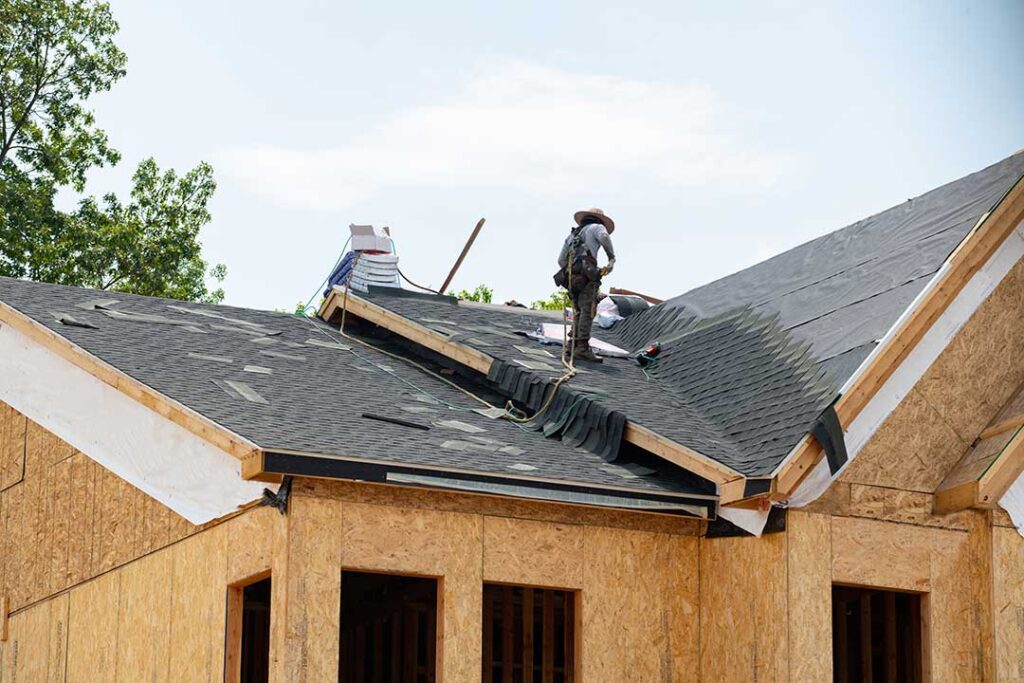
Roofing work is more than removing old shingles and installing new ones. A properly planned roof project includes inspection, material selection, preparation, weather protection, installation, ventilation, flashing, cleanup, and follow-up checks. Understanding each stage helps homeowners recognize quality workmanship and identify problems before they become expensive repairs.
What happens before roofing work begins?
The process starts with an inspection and a clear assessment of the roof’s condition. A roof may look worn from the ground while still having usable layers underneath, or it may appear acceptable while concealing moisture damage around vents, chimneys, valleys, or roof edges.
An initial evaluation usually considers:
- Shingle or roofing material condition
- Soft spots or damaged decking
- Leaks, stains, or signs of attic moisture
- Flashing around penetrations and wall intersections
- Gutters, eaves, and roof drainage
- Attic insulation and ventilation
- Previous repairs or multiple roofing layers
In Potsdam, NY, seasonal weather can make these details especially important. Snow, freeze-thaw cycles, wind, ice buildup, and repeated moisture exposure can gradually weaken roofing materials and the wood beneath them. A roof assessment should therefore look beyond surface appearance.
Homeowners should also confirm the project scope in writing. The plan should explain what materials will be removed, what happens if damaged decking is discovered, how exposed areas will be protected overnight, and how ventilation and flashing will be handled.
How are roofing materials selected?
The right roofing material depends on more than appearance. Climate, roof slope, structural condition, budget, maintenance expectations, and local building requirements all influence the decision.
Common residential roofing options include:
- Asphalt shingles, which are widely used and available in several grades and styles
- Metal roofing, which can provide long service life but requires careful attention to fasteners, seams, snow movement, and underlayment
- Membrane roofing for low-slope sections where traditional shingles may not be suitable
- Wood or other specialty materials, which may require additional maintenance and specific installation practices
Roof slope matters because some materials are designed for water-shedding roofs while others are intended for low-slope applications. A material that works well on one roof may be inappropriate on another.
Color and appearance are also worth considering, but they should come after questions of drainage, durability, ventilation, and installation compatibility. A roofing system performs as a group of connected parts rather than as a single visible surface.
What preparation is required?
Preparation determines how well the new roof can perform. Before installation, the work area should be arranged to protect landscaping, siding, windows, doors, walkways, and nearby property.
Preparation commonly includes:
- Delivering materials safely
- Setting up fall protection and access equipment
- Protecting areas around the building
- Removing old roofing material when necessary
- Inspecting the roof deck
- Replacing deteriorated decking
- Installing appropriate underlayment and edge protection
The roof deck is the structural surface beneath the visible roofing. It must be reasonably sound, dry, and securely fastened. New shingles installed over weak or water-damaged decking may not lie flat and may be more vulnerable to wind and moisture.
Roofing felt or synthetic underlayment provides an additional water-resistant layer beneath the primary roofing material. Ice-barrier materials may be required or recommended in areas vulnerable to ice dams and water backup. Their placement depends on roof design, local requirements, and manufacturer instructions.
How is a roof installed?
Installation begins at the roof edges and proceeds in overlapping courses. The exact method varies by material, but the basic goal is to direct water downward while preventing wind-driven moisture from entering beneath the roofing.
Important installation areas include:
- Drip edges along roof edges
- Valleys where two roof slopes meet
- Ridges and hips
- Plumbing vents
- Chimneys, walls, and skylights
- Areas where different roofing materials connect
Flashing is one of the most important parts of the system. It consists of formed metal or other compatible materials that help redirect water around vulnerable transitions. Many leaks blamed on shingles actually begin at failed, missing, poorly shaped, or improperly layered flashing.
Fasteners also matter. Nails or other approved fasteners must be placed in the correct location and driven properly. Overdriven fasteners can damage roofing materials, while underdriven fasteners may not hold securely. Incorrect placement can reduce wind resistance and create pathways for water.
Manufacturers provide installation instructions for their products. Following those instructions is necessary for proper performance and may affect any available material warranty.
Why are ventilation and insulation part of roofing?
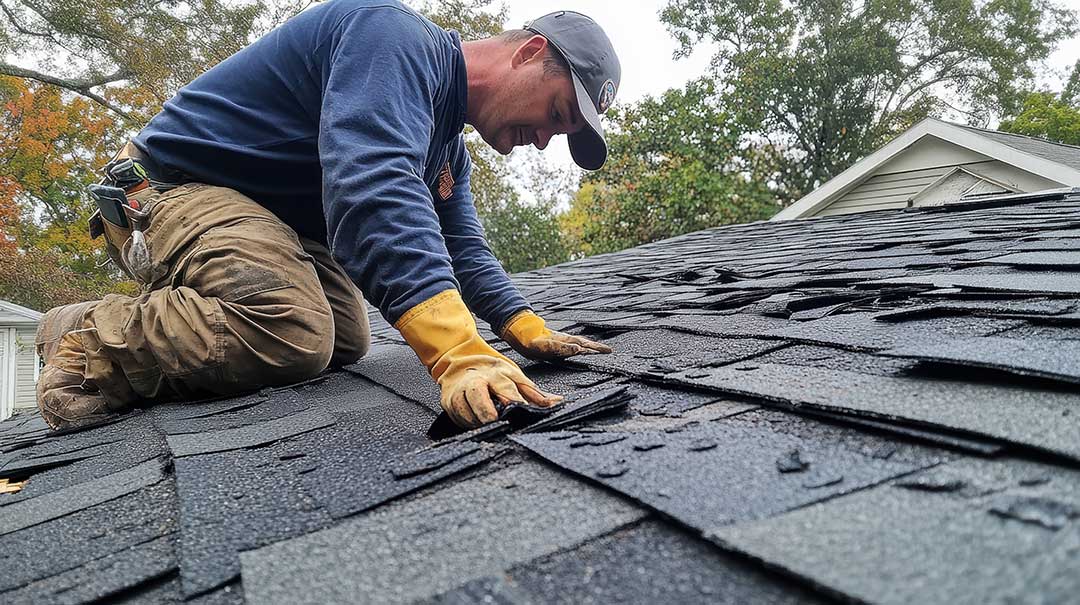
A roof cannot be evaluated only from the exterior. Attic ventilation and insulation affect moisture, temperature, and the life of roofing materials.
Warm, moist air from the living space can move into a poorly sealed attic. If that moisture condenses on cold roof components, it may contribute to mold, wood deterioration, damp insulation, and winter-related problems. Inadequate ventilation can also allow excessive heat buildup during warmer months.
A balanced ventilation system typically allows air to enter through lower roof areas and exit near the ridge or another high point. Ventilation should not be added randomly or in a way that short-circuits airflow. Air sealing, insulation levels, and ventilation work together and should be considered as a complete attic system.
In a cold northern climate, ventilation does not eliminate the possibility of ice dams. Ice dams are often related to heat loss, uneven roof temperatures, snow cover, and drainage conditions. Reducing attic heat transfer and improving air movement may help, but roof design and winter weather still play a role.
What should homeowners expect during removal and installation?
Roof removal is often noisy and produces a significant amount of debris. Shingles, underlayment, nails, and damaged wood may fall near the building’s perimeter. Windows, doors, gardens, decks, and outdoor equipment should be protected or moved when practical.
Weather creates an additional concern. Roofing materials should not be left exposed if rain, snow, or strong wind is approaching. A responsible work plan includes temporary protection for the roof and a method for securing materials during changing conditions.
Cold weather can affect the flexibility and sealing behavior of some roofing products. Roofing materials may require specific handling, storage, and installation conditions. Winter work is not automatically impossible, but it may require more careful scheduling and additional attention to sealing and weather protection.
How can a homeowner check the finished roof?
A final review should confirm that the visible work matches the agreed scope and that vulnerable areas have been addressed. Useful items to examine include:
- Straight, consistent courses of roofing material
- Securely installed edge metal
- Properly finished valleys and roof penetrations
- Intact flashing around walls and chimneys
- Adequate attic ventilation
- Clean gutters and drainage paths
- Removal of loose debris and stray fasteners
- No visible damage to siding, trim, windows, or landscaping
A ground-level inspection cannot reveal everything. If attic access is available, look for daylight where it should not be visible, damp insulation, staining, or signs of new moisture. After the first significant rain or snow event, interior ceilings and attic areas near roof penetrations are worth checking.
Homeowners should retain records of the roofing materials, installation date, repairs to the deck, photographs, and any written maintenance information. These records can help with future repairs and provide useful history if the property is sold.
Which roofing problems require prompt attention?
Some conditions should not wait for routine maintenance. Prompt evaluation is appropriate when there is active interior leaking, a sagging roof surface, extensive missing material, exposed decking, damaged flashing, or a large tree limb impact.
Small signs can also indicate developing problems:
- Water stains on ceilings or upper walls
- Granules collecting in gutters
- Shingles that curl, crack, or lift
- Damp attic insulation
- Rusted or displaced flashing
- Daylight visible through the roof deck
- Persistent icicles combined with interior moisture
A roof is part of the building envelope, so its performance depends on connected systems such as attic insulation, ventilation, wall flashing, gutters, and drainage. Understanding the full process makes it easier to ask useful questions, recognize incomplete work, and protect a home through the region’s changing seasons.
