
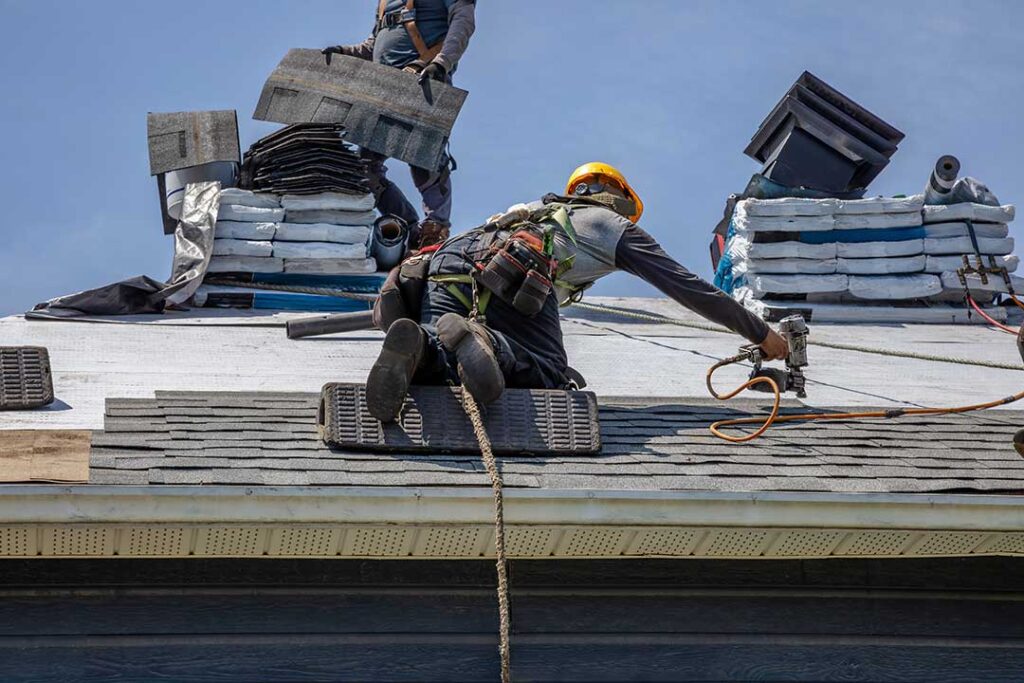
Why Might You Need to Walk on Your Roof in Potsdam, NY?
Local residents sometimes need to access their roofs for reasons such as checking for storm damage, cleaning gutters, clearing off snow, or addressing minor maintenance issues. While these tasks may seem straightforward, safely setting foot on your roof in Potsdam, NY’s climate requires careful planning and awareness of seasonal conditions.
What Are the Most Common Safety Risks When Walking on a Roof?
Walking on a roof always carries risks. The main dangers include slips and falls, stepping through weak spots, causing roof damage, and being caught off-guard by sudden weather changes. Ice, moss, wet leaves, and even morning dew can create slippery surfaces, particularly in Potsdam’s variable seasons. Loose shingles, hidden nails, or older roofing materials may not support a person's weight.
Falls are the biggest hazard, even from a single-story home, and can lead to serious injury. Power lines and overhanging branches present additional dangers many people overlook.
How Should You Prepare Before Setting Foot on the Roof?
Preparation starts on the ground. Before attempting to walk on your roof, take these steps:
- Visually inspect your roof and gutters from the ground for any obvious hazards or weak spots.
- Check the weather forecast—avoid the roof during rain, snow, ice, or high winds typical of Potsdam’s winters and transitional seasons.
- Wear slip-resistant shoes or boots with soft rubber soles for maximum grip.
- Use work gloves with good traction.
- Never attempt roof work alone; have another person nearby for support and in case of emergency.
- If your home is two stories or more, or if the roof is steep, consider if the risk is justified.
Mistiming a task—such as climbing onto an icy surface or during spring melt—can be much riskier than it appears.
What Tools and Equipment Increase Safety?
Reliable, well-maintained equipment reduces risk considerably. Essentials for most household roof work include:
- An extension ladder that extends at least three feet above the roof edge for a safe transition on and off the roof. Always place the ladder on stable ground.
- A tool belt or backpack for carrying supplies—avoid carrying tools in your hands while climbing.
- Roof anchors or a fall arrest harness (especially useful for steeper roofs), available from home improvement stores.
- Soft-soled footwear and gloves designed for exterior work.
Never improvise with makeshift ladders, unstable furniture, or equipment not designed for exterior use. Keeping your equipment in good working order can make all the difference.
Are There Roof Types or Conditions That Are Especially Dangerous in This Community?
In this area, many homes have asphalt shingles, metal roofs, or slate. Each responds differently to weather:
- Asphalt shingles: Prone to becoming brittle and slippery during and after cold snaps.
- Metal roofs: Extremely slick when wet or frosty, which is common in Potsdam winters. Even a thin layer of condensation can cause slips.
- Older slate or wood shingle roofs: May crumble, crack, or shift under weight.
Roofs with a pitch greater than 6:12 (where the roof rises more than 6 inches for every 12 inches horizontal) can be very difficult and hazardous to walk, especially when wet, snowy, or icy. Avoid steep roofs unless absolutely necessary.
What Is the Safest Way to Climb Up and Down?
Getting on and off the roof is when many injuries happen. For local area homes:
1. Set your ladder on flat, stable ground, ideally with rubberized feet or ladder stabilizers.
2. Angle the ladder at about 75 degrees. An easy test: place your toes against the ladder’s base and extend your arms; your palms should touch the rung at shoulder height.
3. Always keep three points of contact with the ladder (two feet and one hand or two hands and one foot) while climbing.
4. Step slowly onto the roof, ensuring your footing is secure before letting go of the ladder.
5. When descending, face the ladder (not away from it), and maintain three points of contact.
Slippery conditions are especially common in early spring and late autumn, when frost can be hard to see. Be extra cautious in these seasons.
What Techniques Help Maintain Balance and Minimize Roof Damage?
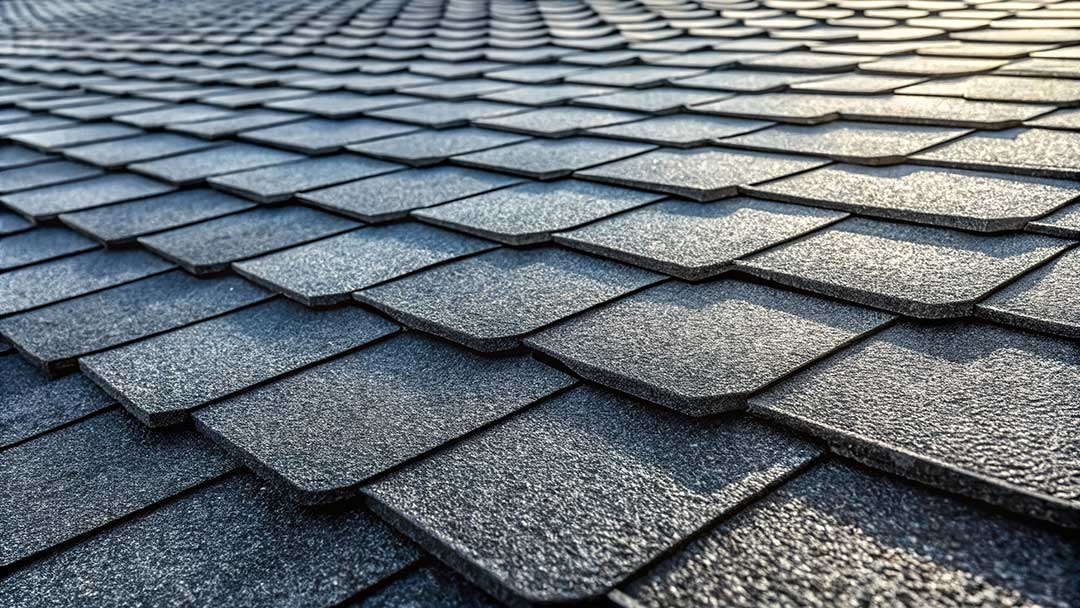
Once on the roof, move deliberately. Key points to reduce your risk and avoid creating leaks or damage:
- Keep your weight distributed by staying low and using your hands for extra balance.
- Always step on the lower third of shingles close to where they overlap—they’re more likely to be supported underneath.
- Move horizontally, not vertically, whenever possible.
- Avoid sudden shifts or leaning back to view areas over the edge.
- Place your hands or knees only on solid, dry surfaces.
- Step carefully near valleys, chimneys, and roof edges, where roofs are most vulnerable.
Small steps and patience are more effective than trying to finish quickly.
When Should You Avoid Going on the Roof Altogether?
There are situations where staying off the roof is the wisest option. Residents should not attempt to walk on roofs if:
- There is visible structural damage, such as sagging, large missing patches, or signs of rot.
- The roof is covered in snow, ice, or wet debris—Potsdam’s climate makes these conditions common in late fall through early spring.
- Pitch is steep or the surface is metal and appears slick.
- Power lines run close to the work area.
In these cases, delaying the job or exploring safer alternatives (such as working from a ladder or using extension tools for gutter cleaning) is preferable.
What Common Mistakes or Misconceptions Do Local Residents Have?
Some assume that thick winter boots are safest, but softer-soled shoes may actually grip better, especially in cold conditions. Others might believe any sturdy roof can support their weight; in reality, older homes or poorly maintained roofs may have hidden weaknesses beneath surfaces that look fine from above.
Another misstep is underestimating how quickly weather can change. A roof that feels safe before lunch could become hazardous in an hour if fog, drizzle, or freezing rain moves in—a frequent occurrence in northern climates like this one.
Are There Alternatives to Walking on Your Roof for Common Household Tasks?
Yes. Many tasks, such as cleaning gutters or inspecting roof edges for damage, can often be done from a stable ladder with a spotter and the right tools. Extension wands, gutter scoops, and telescoping cameras make many jobs both safer and easier—especially during harsh or unpredictable weather.
