

Why Does Getting a Good Match Matter for Replacement Shingles?
A nearly invisible repair protects your home and preserves curb appeal. When shingles are replaced with a poor match, the uneven look can make even minor repairs stand out—especially after a winter thaw or summer storm. In Potsdam, NY, where sharp seasonal changes take a toll on roofs, matching replacement materials also helps maintain neighborhood standards and supports long-term weather protection.
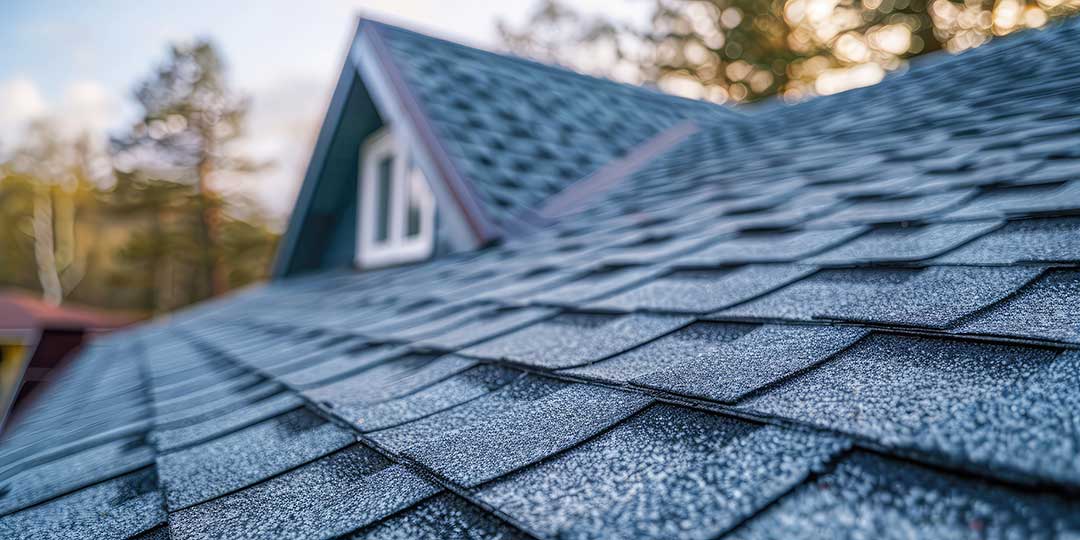
Matching isn’t just about color; texture, size, and age also affect the finished look. Differences may be subtle up close but become obvious from the street or when sunlight hits the roof at certain angles—an important consideration in the city’s mix of older homes and newer developments.
What Steps Should You Follow to Get the Closest Match?
Start by identifying your current shingle type. Most homes use asphalt shingles, but local roofs also feature architectural, dimensional, or occasionally specialty designs. Look for leftover packaging if available, or remove a damaged piece as a sample.
- Compare against samples at local hardware stores
- Bring the sample shingle when shopping for a match
- If unsure, take several clear photos in daylight (not shadowed, washed-out, or wet)
- Consider the exposure: North-facing roofs in the community often weather differently than south-facing slopes
It’s common for shingle color names to vary between manufacturers—even among products that look similar to the eye. Examine both color and surface texture, running a hand over new samples to check granularity and thickness. Also, check the shingle edge profile (straight, scalloped, or notched).
How Does Weathering Affect Shingle Matching in the Area?
Existing shingles have often faded from their original shade, especially after a few freeze-thaw cycles, long winters, and sun exposure. In Potsdam, freeze-thaw expansion and spring snowmelt regularly speed up this process.
Even a perfect product match may appear “off” when set among older, weathered shingles. To reduce the contrast:
- Select a slightly lighter or more muted option to blend in better with sun-faded originals
- Use replacement pieces from less visible areas (such as under an eave) if possible, moving older but intact shingles into the repair site
Area homes built 10-20 years ago may also have discontinued shingle lines, requiring close comparison with currently available options.
Are Shingle Sizes and Types Universal?
Not all asphalt shingles share the same length, width, or thickness, which can be overlooked by residents expecting universal sizing. Dimensional shingles, for example, have a more pronounced layered appearance and may be thicker than standard three-tab styles.
Before purchasing, measure the original shingle’s width, length, and exposure (the part visible after installation). Mismatched sizing can lead to gaps, overlaps, or a patchwork appearance, especially visible on longer roof planes or when viewing from the street.
What if You Can’t Find a Perfect Match?
Sometimes, exact matches are impossible due to age, discontinued products, or unique colors. In those cases:
- Choose the closest color and shape, focusing most on nearby shingle tone and granule pattern
- Install replacements in less prominent areas, using older shingles for the most visible spots
- Blend repairs by gently weathering new shingles with a soft brush to lessen the contrast (never use chemicals or heat)
- For large sections, replacing an entire course (row) edge-to-edge often looks more uniform than patching one or two pieces, especially on highly visible front-facing slopes
Common Mistakes When Matching Shingles Locally
Residents sometimes misjudge matches due to:
- Wet shingles appearing darker than when dry
- Assuming all “gray” or “brown” shingles are the same tone under full sun
- Overlooking subtle pattern differences in dimensional versus three-tab styles
- Forgetting the impact of Potsdam’s weather on rapid color change
Photograph the repair area at multiple times of day before making a purchase, checking for color shifts in both sun and shade. When installing, avoid creating straight vertical or horizontal breaks—stagger new shingles if possible to make repairs less obvious.
Can You Mix Shingle Brands or Product Lines?
Mixing brands can be necessary, but results depend on matching style, granule size, and edge profile. Many area residents have succeeded with similar lines, but mixing architectural and three-tab shingle types almost always shows, due to differences in thickness and layering.
Always check for compatibility in:
- Overall color tone (not just color name)
- Thickness and weight/class
- Edge design (straight, tapered, or notched)
- Installation method (nail pattern and seal strip placement)
If you’re repairing a small patch, blending across a wider area can help soften the look and prolong roof life until a full replacement is needed.
How Does the Roof’s Age Impact Matching Decisions?
Older roofs, especially those nearing the end of their life cycle, often show several shades of wear. Matching a new shingle to 20-year-old material may be less important if a full replacement is likely in a few seasons. In these situations, practical weatherproofing takes priority over a flawless match. Proper sealing and correct installation help prevent water damage during Potsdam’s spring thaws and autumn rains—protecting the home until more comprehensive work is planned.
