

What Are the Common Visible Clues of a Bad Roof Installation?
Many homeowners first notice problems from the ground or attic. In Potsdam, NY, the seasonal shifts—from harsh winters to heavy spring rain—can quickly expose roofing flaws. Typical visible warning signs include:
- Shingles that appear crooked, uneven, or misaligned, especially along ridges and edges
- Patchy or inconsistent shingle colors, which can indicate mixing of bundles or poor installation planning
- Exposed nail heads, often rusty or raised, indicating they weren’t placed beneath the shingle layer
- Drip edges or flashing missing, visibly skewed, or protruding where they should lie flat
Snow loads and ice can force these problems to the surface, making them especially obvious during spring thaws or after heavy storms.
What Are the Less Obvious Problems Homeowners Might Miss?
Some of the most serious installation mistakes are only detectable from inside the attic or after seasonal changes. Common issues lurking beneath the surface in the city include:
- Gaps, waves, or bumps in the roof deck as seen from the attic
- Evidence of moisture, such as dark stains, mold, or a musty smell in insulation after rain or snowmelt
- Sunlight peeking through join lines or chimneys—an indicator of poor flashing and moisture protection
- Audible roof leaks during wind-driven rain or melting snow
Area homes with older or complex rooflines are particularly vulnerable to hidden installation flaws.
Why Does Poor Roof Installation Cause Leaks in Local Homes?
The most frequent cause of leaks is improper shingle or underlayment installation, especially around chimneys, valleys, and roof edges. In the cold, wet seasons experienced here, water can easily infiltrate where:
- Flashing isn’t snug to the roof surface, letting meltwater follow gravity right into the attic
- Underlayment is torn, missing, or layered incorrectly, failing to shield wood from water
- Starter shingles are incorrectly installed or omitted, making the lower edge prone to wind-driven rain
River valley weather creates cycles of freezing and thawing. Water can back up under loose shingles or penetrations. Ice damming at eaves then exacerbates any small errors by forcing water uphill, making minor mistakes suddenly catastrophic.
How Can Uneven Roof Appearance Signal Deeper Issues?
A roof that looks lumpy, sagging, or wavy from the street often means the underlying decking wasn’t prepared or replaced properly. In homes where older layers of roofing weren’t fully removed before new shingles were installed, unevenness is common. For area households:
- A visibly inconsistent surface increases the risk of winter ice formation, leading to faster deterioration
- Sagging between rafters may point to hidden rot or structural shortcuts
- “Telegraphing” of nails, seams, or sheathing gaps is a hallmark of hasty or substandard workmanship
These problems rarely get better with time, and often worsen during Potsdam's freeze-thaw cycles.
Are Ventilation and Insulation Problems Signs of Poor Roofing Work?
Yes, improper attic ventilation and lack of proper insulation are linked to subpar roof installation. In this climate, poor airflow means:
- Heat or moisture buildup in winter, raising the risk of attic mold and icicle formation
- Unusually high heating bills, as warmth escapes through poorly sealed or uninsulated roof lines
- Curling, blistering, or prematurely aging shingles, especially along ridges and valleys
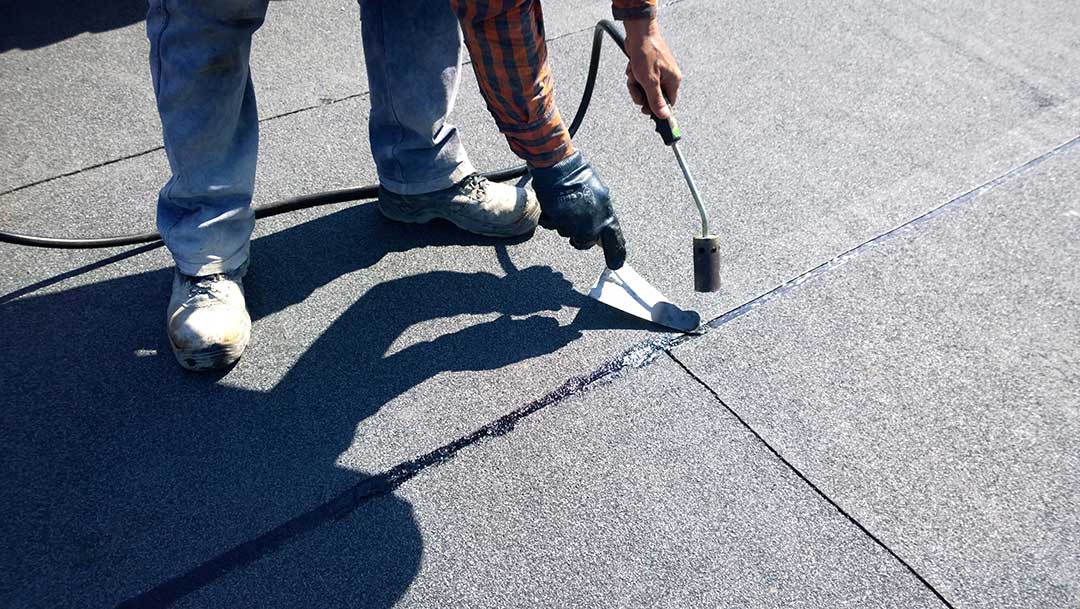
Local homes built before modern codes are particularly prone to these oversights when roofs are replaced or upgraded.
Can New Roofs Show Signs of Poor Installation Right Away?
Sometimes, clear evidence shows up within the first season, especially after the region’s windstorms or heavy snows:
- Shingles loose or missing after a storm suggest improper nailing or pattern alignment
- Water stains on ceilings, even with a “new” roof, may signal flashing blind spots or misapplied underlayment
- Granule loss—visible as sand-like debris in gutters—often indicates that shingles weren’t handled correctly during installation
While it’s not uncommon for a few minor issues to appear after significant weather events, repeated or widespread problems with a recently installed roof are a major red flag.
What Should Local Residents Watch for During and After Roof Replacement?
It’s possible to spot installation problems early by watching the process:
- Are workers using ladders safely, protecting landscaping, and keeping the job site orderly?
- Is old roofing fully removed, rather than just adding new layers? Layering is sometimes allowed, but often causes uneven buildup and obscures underlying rot or leaks.
- Are details like chimney flashings, ridge vents, and valleys receiving extra attention, or being rushed?
Area residents should also check for abundant debris, leftover nails, or unsecured materials in their yard—a sign the crew may be rushing or overlooking details.
Do Poor Roof Installations Affect Home Value or Safety Locally?
Poor roofing work can reduce resale value and even compromise safety in this region. Ongoing leaks can lead to:
- Rotting rafters, joists, or wall framing, especially with the city’s humid summers and autumns
- Mold or mildew health hazards, especially in the attic or living spaces
- Additional repair costs during major storms, which strike with some frequency in the area
Local building inspectors may even flag roofing work that doesn’t meet basic standards, which can complicate insurance claims or future sales.
