

A roof cricket is a small, raised structure built on the high side of a chimney, wall, skylight, or other roof obstruction. Its purpose is to divide and redirect water so it can flow around the obstruction instead of collecting behind it.
For homes in Potsdam, NY, roof crickets can be especially useful because roofs must handle snow, ice, rain, freeze-thaw cycles, and debris throughout the year. A properly designed cricket helps reduce the chance of ponding water, ice buildup, and premature roof deterioration in one of the most vulnerable areas of the roof.
What exactly is a roof cricket?
A roof cricket is a sloped, wedge-shaped section of framing and roofing installed behind an obstruction. It generally rises toward the obstruction and slopes down toward both sides, creating a small ridge or peaked form.
The cricket works much like a miniature roof placed behind the chimney or other raised object. Instead of allowing water to run directly into the uphill side of the obstruction, it splits the flow and directs it around the sides.
A roof cricket may be covered with the same roofing material as the surrounding roof, but it is also part of the roof’s underlying water-management system. Its framing, sheathing, underlayment, flashing, and surface roofing must work together.
Why are roof crickets needed?
Water naturally follows the slope of a roof. When it reaches a chimney or similar structure, the obstruction interrupts that flow. Without a cricket, water can gather along the uphill side, particularly where the roof slope is low or the obstruction is wide.
A cricket helps by:
- Dividing water into two drainage paths
- Reducing standing water behind the obstruction
- Limiting the amount of snow that presses against the uphill side
- Improving the performance of flashing
- Reducing the likelihood of leaks caused by repeated saturation
- Helping debris move away from the obstruction
The feature is not decorative. It is a drainage detail intended to solve a specific roof-design problem.
Where are roof crickets commonly found?
Chimneys are the most familiar location, but crickets may also be used behind:
- Wide roof vents
- Skylights
- Dormers
- Raised wall sections
- Mechanical equipment curbs
- Large plumbing or ventilation structures
- Other broad objects that interrupt the roof slope
A small, narrow obstruction may not need a cricket if water can pass around it without collecting. A wide obstruction on a low-slope roof is more likely to benefit from one.
The necessary design depends on the obstruction’s width, the roof pitch, the amount of runoff, the roofing material, and local weather exposure.
How does a roof cricket differ from flashing?
A cricket and flashing perform related but different jobs.
Flashing is made from water-resistant materials, often metal or specialized membrane products, and is installed at joints and transitions. Around a chimney, flashing helps seal the connection between the chimney and the roof.
A cricket changes the shape of the roof so water is directed away from the uphill side. Flashing then helps seal the edges and intersections created by that design.
A cricket cannot replace properly installed flashing. Likewise, flashing alone may not solve a drainage problem if water and snow continue to collect behind a wide chimney.
Why does this matter in Potsdam?
The local climate puts repeated stress on roof intersections. Snow can remain on a roof for extended periods, and melting may occur during warmer daytime temperatures before refreezing at night. Rain, wind, and seasonal debris add further moisture and movement around chimneys and other penetrations.
A roof cricket can help in several ways:
- Snow is less likely to remain tightly packed against the uphill side of a chimney.
- Meltwater has a defined path around the obstruction.
- Ice is less likely to form in a low-drainage pocket.
- Roof materials are exposed to less repeated saturation.
- Water is less likely to work beneath aging flashing or roofing edges.
A cricket does not prevent every ice dam or roof leak. Roof ventilation, insulation, roof pitch, flashing condition, and snow accumulation also affect performance. However, a well-built cricket can address one important source of water concentration.
What problems can occur when a cricket is missing?
The absence of a cricket is not automatically a defect. Some roof designs can drain properly without one. Problems are more likely when a broad obstruction sits on a relatively low-slope roof or when the surrounding drainage path is blocked.
Warning signs may include:
- Water stains on ceilings or upper walls near a chimney
- Damp insulation or framing in the attic
- Rusted or deteriorated flashing
- Moss or dark staining that remains behind the obstruction
- Repeated ice buildup in the same location
- Shingle damage along the uphill side
- Sagging roof sheathing or soft areas near the chimney
- Granule loss or exposed underlayment in a concentrated drainage area
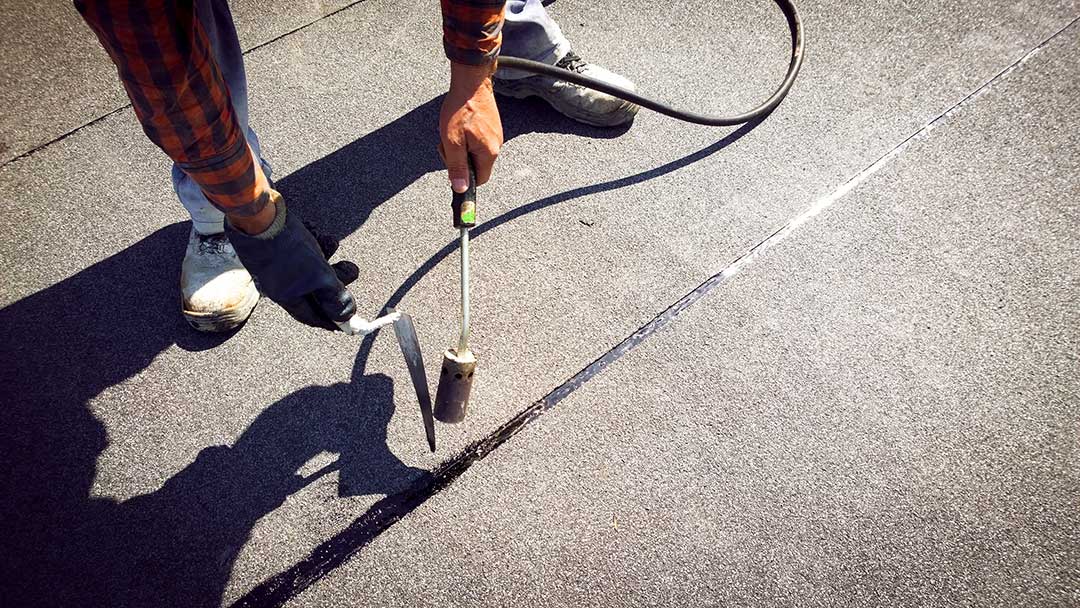
A leak may not appear directly beside the chimney. Water can travel along roof sheathing, rafters, insulation, or interior framing before becoming visible inside the home.
Can a roof cricket be added to an existing roof?
In many cases, a cricket can be added during reroofing or as part of a larger roof repair. The work generally involves removing roofing around the obstruction, building or reshaping the sloped structure, installing appropriate underlayment and flashing, and tying the new roofing into the existing roof.
Adding one without opening the surrounding roof is usually difficult because the cricket must connect with the roof’s drainage and flashing layers. An improperly integrated cricket can create more leak points rather than fewer.
The existing roof’s age and condition also matter. If the surrounding shingles or membrane are near the end of their service life, a localized modification may not be the most durable approach. The design should account for how the new work will meet the older roofing materials.
Are roof crickets required by building codes?
Requirements can depend on the roof design, obstruction size, slope, roofing material, and applicable code provisions. Local permitting and inspection rules may also affect structural changes to a roof.
A homeowner should not assume that every chimney requires a cricket or that a cricket is optional in every situation. Code requirements can change, and the relevant rules may distinguish between steep-slope roofing, low-slope roofing, new construction, and repair work.
For safety and compliance, structural alterations and work around chimneys should be evaluated according to the requirements in effect for the property.
What should homeowners look for during an inspection?
A roof inspection should examine the entire chimney intersection rather than only the visible metal flashing. Useful questions include:
- Does water have a clear path around the obstruction?
- Is the uphill side shaped to prevent a drainage pocket?
- Are flashing pieces secure and properly overlapped?
- Is the chimney masonry cracked or deteriorated?
- Are there signs of old leak repairs?
- Is snow or debris repeatedly collecting in the same place?
- Is the roof sheathing firm and dry beneath the surrounding materials?
From the ground, a cricket may be difficult to identify, especially on a steep roof. Binoculars can sometimes reveal a raised ridge behind a chimney, but climbing onto a snowy, icy, or steep roof creates a serious fall hazard.
What is the most common misconception about roof crickets?
The most common misconception is that a roof cricket is simply a decorative peak. Its main function is drainage. The shape matters because it changes how water and melting snow move around an obstruction.
Another misconception is that a cricket alone guarantees a leak-free chimney. Leaks can still result from cracked masonry, failed sealants, damaged roofing, poor flashing, blocked drainage, or improper installation.
A cricket is one part of a complete roof-water-management system. Its value is greatest when the roof slope, flashing, underlayment, ventilation, and surrounding materials are also in sound condition.
